A bat house that looks useless in April may matter a great deal in July. An occupied summer roost, warm and busy at dusk, may be the wrong place entirely when winter arrives.
That is the first correction I make with homeowners and habitat stewards. Bats are not simply shopping for any dark shelter. They are solving a seasonal problem: where to rest today, where to raise pups, where to conserve energy, where to pass through safely, and where not to freeze.
A single observation captures only one of several seasonal states: spring transition, summer maternity, fall dispersal or swarming, and winter hibernation or migration. That means an empty box is not, by itself, evidence of failure. Some sites take three to five seasons before any occupancy. Many never attract a colony at all.
Summary: Roost value changes across the calendar. The practical goal is not to force bats into one structure, but to understand when a shelter fits the work bats need to do.
This is where seasonal roosting behavior becomes useful. It gives people a way to support bats without crowding them, checking too often, sealing exits at the wrong time, or mistaking normal movement for abandonment.
What Seasonal Roosting Behavior Means
Seasonal roosting behavior is the way bats change shelter use across the year in response to temperature, reproduction, food availability, migration, and hibernation needs.
A roost is not a nest. Bats do not build nests with twigs and grass, and they do not use shelter in the same way birds use nesting sites. They use roosts for resting, rearing young, mating-related activity, shelter, torpor, hibernation, and brief stops between longer movements.
That distinction matters. Once a homeowner expects a nest, they start looking for nesting material and permanent residence. Bat use is often more fluid.
Quick Tip: Use these field definitions when reading bat activity around a house, barn, bridge, tree, or bat house.
Day roosts: Shelters used for resting and protection during daylight hours.
Night roosts: Often more exposed resting places used between foraging bouts, especially for digesting.
Maternity roosts: Warm, stable shelters where females gather for pregnancy and pup development.
Bachelor roosts: Roosts used by males or non-reproductive bats, often cooler and more variable than maternity sites.
Hibernacula: Winter shelters with cold, stable, humid conditions that help hibernating bats conserve energy.
Temporary stopover roosts: Short-term shelters used during travel, dispersal, migration, or changing weather.
The categories overlap in real landscapes. A structure can shift from stopover use to maternity use, or from bachelor use to no use, within one year. Labeling a roost by a single type can freeze a moving picture.
The Yearly Roosting Cycle: Spring to Winter
Spring: transition before stability
In spring, bats emerge from hibernation or return from migration into a landscape that is still unsettled. Nighttime lows may swing. Insect activity may rise, then stall after a cold front.
During this multi-week transition, bats may use temporary roosts while conditions stabilize. A box that remains empty during the April emergence window can still fill later during the maternity period from roughly late May through early August.
Summer: heat becomes habitat
Summer is when warmth can become the central feature of a roost.
Many female bats gather in maternity roosts where stable heat supports pregnancy and pup development. Males may roost elsewhere, including sites that are cooler or more variable. That separation is one reason a single building, bridge, or group of trees may show uneven activity across the season.
Late summer and fall: dispersal and movement
By late summer, young-of-year bats typically become volant within roughly three to five weeks of birth. Once pups can fly, the colony no longer depends on the maternity roost in the same way.
Activity can look messy from the ground. Bats disperse. Some species visit swarming areas, follow travel corridors, or use temporary roosts before winter. A homeowner may see fewer bats at a once-busy opening and assume something went wrong. Often, the season has simply turned.
Winter: conservation of energy
Winter asks for the opposite of a summer maternity site. Cave-hibernating species seek hibernacula that hold cold, stable conditions through the dormant season. Other species migrate or use sheltered winter roosts.
The sequence matters more than the dates. A southern lowland and a northern forest can sit in different phases at the same point on the calendar.
What Changes When Bats Choose a Seasonal Roost
Roost selection is a trade-off, not a checklist.
Temperature matters. So does humidity, predator protection, nearby water, insect-rich foraging habitat, and safe flight access. A roost can be excellent in one category and poor in another. That is why a well-built bat house mounted on a shaded north-facing wall can stay empty for years even when its height and flight path look correct. It never reaches the warmth a maternity colony needs.
Common roost settings do different jobs
Tree cavities: Natural shelter with variable temperature, often important in wooded habitat.
Loose bark: Narrow cover used by species that move through forest edges and dead or dying trees.
Rock crevices: Tight shelter with protection from predators and weather.
Caves: Essential for some hibernating species where cold, humid, stable interiors persist.
Bridges: Crevice-like spaces that can support roosting when flight access and disturbance levels allow.
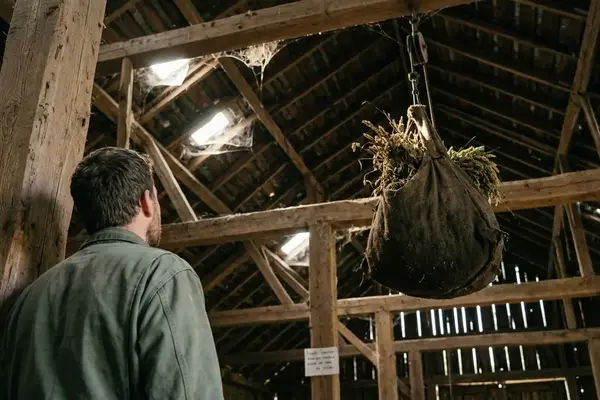
Attics and barns: Warm human structures that may attract maternity colonies, but create conflict when people try to exclude bats at the wrong time.
Properly sited bat houses: Artificial roosts that can support summer use when heat, height, sun, and surrounding habitat align.
Maternity warmth is not winter safety
Maternity roosts often favor warmth well above ambient conditions. That is why south- or southeast-facing bat houses with strong solar exposure tend to support summer use.
Hibernacula require the reverse: cold, thermally stable, high-humidity interiors that resist freezing and hold temperature through the dormant months. A hot summer box is not a substitute for a winter cave. A warm attic may support pups in June and still be unsuitable, or unsafe, for winter dormancy.
Note: Water proximity and insect-rich foraging habitat can matter more than the structure itself. A carefully built box far from water and forage edges rarely compensates for a poor landscape.
How Homeowners and Habitat Stewards Can Respond
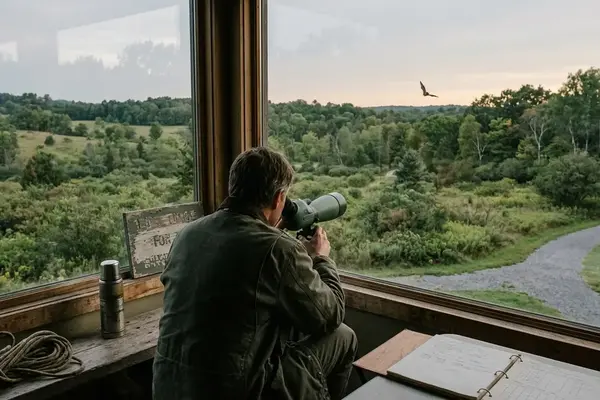
I have learned to start with the least dramatic tool: dusk observation.
Stand back. Watch the suspected roost entrance as light fades. Count movement if you can do so without shining bright lights into the exit. Listen for repeated use over several evenings rather than making a decision from one night.
Practical steps before taking action
Observe from a distance at dusk. Look for bats exiting cleanly into open air, then heading toward trees, water, or edge habitat.
Avoid sealing suspected roost entrances during maternity season. In many regions, this window runs from late spring through midsummer.
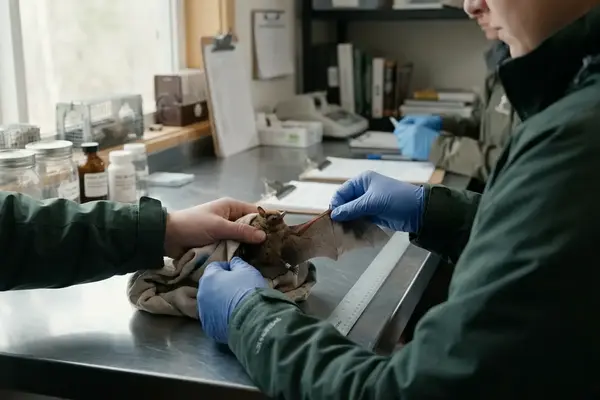
Never handle bats. If a bat appears sick, grounded, or inside living space, contact a qualified local professional or public health authority.
Protect habitat around the roost. Maintain native vegetation, water access, and insect-rich edges where possible.
The June attic gap is the case that stays with many restoration workers. A homeowner sees droppings, seals the opening, and expects the problem to end. If that opening served a maternity colony, flightless pups can be trapped inside. Mortality follows. Odor gets worse. The repair becomes both a welfare problem and a building problem.
Bat house stewardship
For bat houses, placement and patience beat frequent checking. Siting that supports occupancy generally combines a clear drop-and-launch flight path, mounting height of about 12 to 20 feet, and strong daily sun exposure.
Once mounted, leave the box alone across full seasons. Repeated inspection can add disturbance without giving you better information.
BatRoost’s educational conservation role sits in that same tradition: responsible support over intervention. The education work associated with the Organization for Bat Conservation (OBC) and the Cranbrook Institute of Science helped many people see bats as habitat partners, not household pests. The field lesson remains practical. Help the conditions first.
Quick Tip: If bats are already inside a living space, call a qualified local wildlife professional or state wildlife agency before exclusion. Timing and legality vary, and do-it-yourself removal during maternity season can be harmful and unlawful.
Important Limits: Species, Region, and Disturbance Matter
No single bat calendar works across North America.
Seasonal roosting patterns vary by species, climate, elevation, latitude, and local habitat conditions. A reader in a warm southern region may observe spring emergence weeks earlier than a reader in northern forest or high elevation. A single emergence date misleads both.
Emergence, maternity, and hibernation timing can differ by several weeks between southern lowlands and northern, montane, or coastal sites at comparable seasons. For this topic, local timing beats institutional shorthand.
Disturbance has seasonal consequences
Disturbing hibernacula can harm bats because an aroused hibernating bat burns stored fat it cannot replace until spring insects return. Disturbing maternity colonies can also be harmful when pups are not yet flying.
That is why conservation guidance should stay conservative around active roosts. Watch from outside. Do not enter caves or enclosed roost spaces for curiosity. Do not shine lights into exits to improve a count.
For a broad public overview, the National Park Service overview of bats offers accessible background. Local rules still control action on the ground, including protected-species requirements, permits, and exclusion restrictions.
Keep in mind that educational guidance supports planning and observation only. Before acting on an occupied roost, check local wildlife rules and seasonal restrictions.
The Simple Definition to Remember
Seasonal roosting behavior is how bats use different shelters at different times of year to survive, reproduce, travel, and rest.
That definition is plain, but it changes the work. Good bat stewardship is not measured by whether bats occupy one preferred box on one preferred day. It is measured over multiple seasons of observation, because roost value itself changes across the year.
Protect the conditions bats need: safe access, low disturbance, suitable temperature, nearby water, foraging habitat, and room to move through the calendar. Maintain habitat thoughtfully. Observe patterns over time. Let the roost tell you what season it is serving.
Summary: The conservation-minded response is not to push bats into one structure. It is to protect the seasonal options that allow colonies to rest, raise young, travel, and endure winter without unnecessary disturbance.







Join the Conversation
No comments yet.
Join the Discussion