
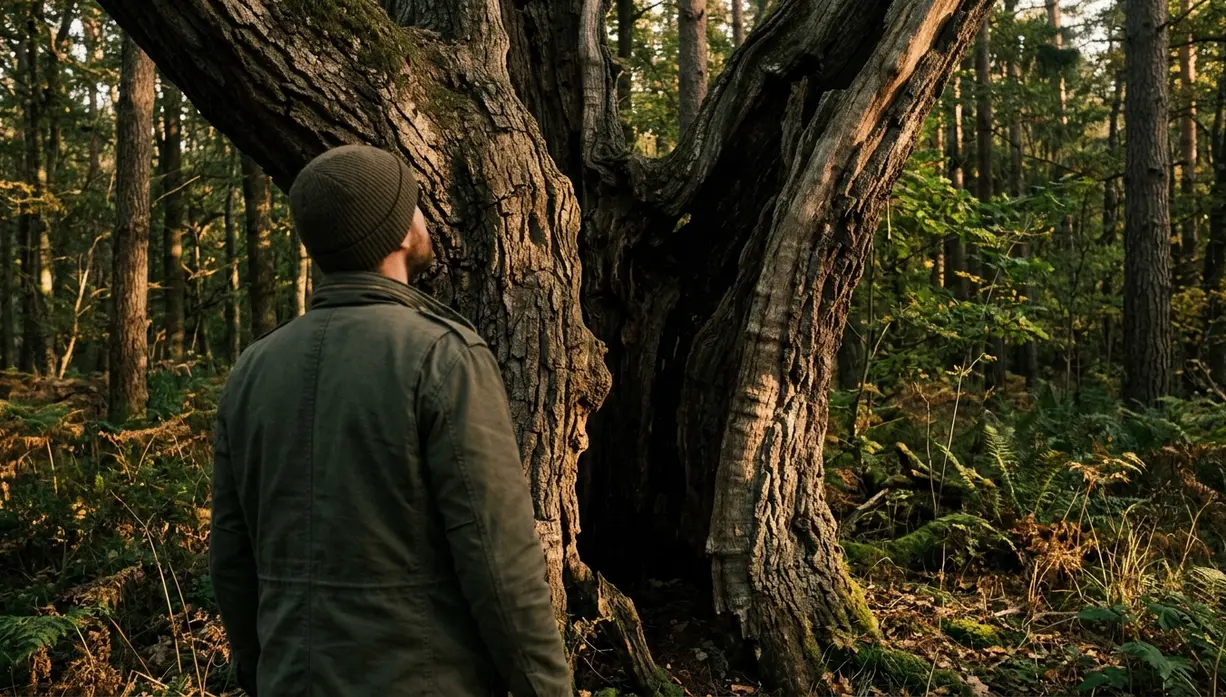
The Roost That Looks Perfect May Still Be Wrong
A quiet shed can fool you.
I have stood in backyards where the homeowner points to a shaded outbuilding, proud of its stillness and shelter, and asks why bats have ignored it. To human eyes, it looks safe. To a bat, it may read as cold, blocked, exposed, or too close to trouble.
A quiet, sheltered backyard shed that looks ideal stays empty because it sits in full-day shade and never reaches maternity-suitable warmth. That is the first lesson in reading roost habitat: comfort cues for people are not the same as survival cues for bats.
Bats choose roosts through a tighter filter. They need heat, predator safety, flight access, nearby feeding habitat, and freedom from disturbance. Miss one of those, and the site can sit empty even when the structure itself looks tidy and well built.
Newly installed bat houses also test patience. Even well-placed houses commonly remain unoccupied through their first one to two summer seasons. That does not make the effort wasted, but it should keep expectations grounded.
This guide is not a promise that a shed, tree, bridge joint, or bat house will attract bats. It is a site-reading guide. The work starts before the ladder comes out.
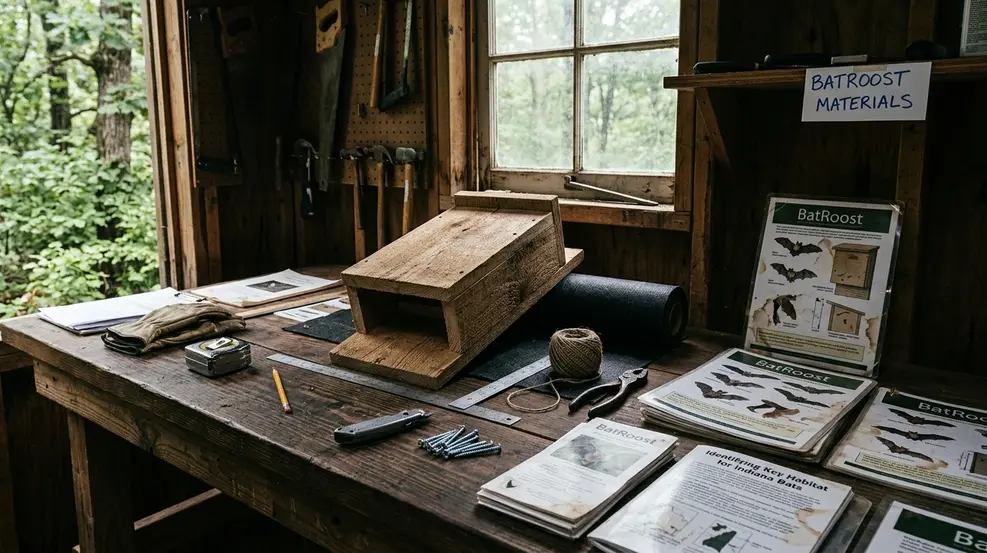
Summary: A roosting site succeeds when it matches bat needs, not when it looks cozy to people.
What a Roosting Site Has to Provide
A bat roosting site is any place bats use for resting, sheltering, raising young, or taking seasonal refuge. That definition matters because it keeps us from overvaluing one structure type.
A roost is not a “bat nest.” It is a working shelter.
The four needs to carry into the field
- Stable microclimate: the space warms, cools, and holds conditions in a way bats can use.
- Protection: the roost limits exposure to predators, wind, rain, and direct disturbance.
- Safe access: bats can drop, turn, and fly without striking clutter or landing on the ground.
- Nearby food: the surrounding landscape supports insects through plantings, water, edges, and reduced chemical pressure.
Different species solve those needs differently. Some use tree cavities. Others tuck beneath loose exfoliating bark, into rock crevices, building voids, bridge expansion joints, or purpose-built bat houses. Crevice-dwelling species and foliage-roosting species respond to opposite features, so the same site reads as good habitat for one and useless for the other.
That is why I start with function. Structure comes second.
Sun, Warmth, and the Microclimate Test
Warmth often decides the matter, especially for maternity roosts where females and pups need suitable conditions. A roost that stays cool all day may offer shelter but still fail the colony’s basic energy math.
Do not judge heat from a single glance at noon. A wall can feel warm during one visit and still cool too slowly in the morning, overheat later, or lose heat fast when wind moves across it.
Run a one-day observation arc
- Check the site in early morning. Note whether the surface catches sun or remains shaded.
- Return at midday. Look for direct sun, reflected heat, and wind exposure.
- Check again in late afternoon. Notice whether the roost keeps warmth or drops back into shade.
Surface color matters. Darker walls absorb more solar heat than pale ones. Materials matter too. Wood, masonry, and metal warm and release heat differently. Shade duration, nearby trees, roof overhangs, and daily temperature swings all change the result.
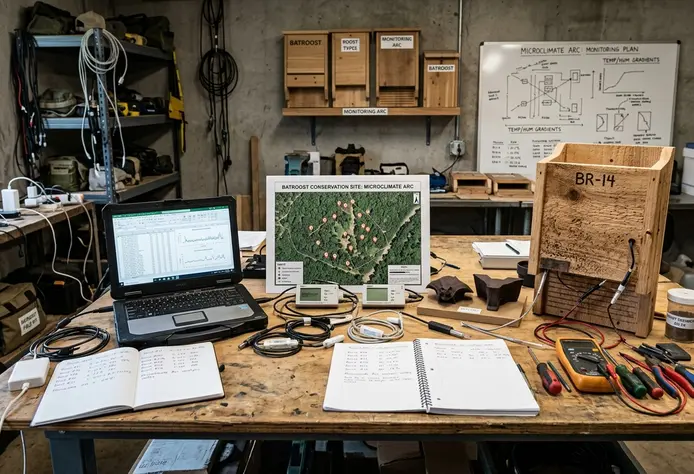
Quick Tip: Give yourself a full day of observation before moving or remounting a bat house. A site that looks wrong at breakfast may be useful by late afternoon, and the reverse can happen just as easily.
We give no numerical temperature targets here; those only hold up when drawn from a named installation guide or a species-specific source for your region. The field skill is noticing pattern, not pretending one number fits every wall.
Safe Entry: Can Bats Get In and Out Easily?
Flight access and predator exposure belong in the same conversation. The low, cluttered opening that forces a bat to struggle is often the same opening that gives a cat, raccoon, snake, or perching bird an advantage.
Bats usually need clear vertical and forward airspace below an entrance so they can drop and gain flight. Branches, fences, stored tools, patio umbrellas, outdoor furniture, and tight corners can turn a good-looking roost into a poor launch point.
Read the entrance like a flight path
- Stand below the opening and look outward. Is there room for a clean departure?
- Look up the mounting surface. Could a raccoon climb it easily?
- Check nearby branches. Do they shade the roost, block the exit, or provide predator access?
- Watch for perching spots near the opening where birds can wait.
A bat house mounted on a backyard tree fails on three fronts at once: leaf shade cools it, branches obstruct the flight path, and the trunk gives raccoons a climbing route. That does not mean every tree-mounted roost fails everywhere, but in many backyard situations it stacks the wrong risks.
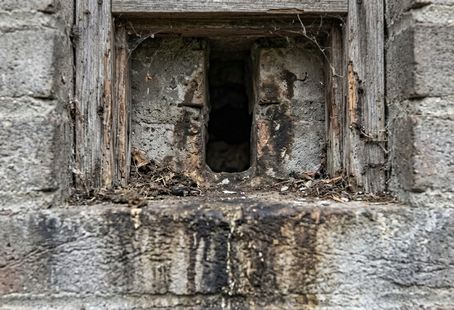
One caution belongs here. Sealing, excluding, or modifying an entrance on an occupied roost is timing-sensitive work and should follow local guidance. If bats already use the site, stop and get current advice before changing the opening.
The Best Roost Is Connected to Good Feeding Habitat
A beautifully built roost in a sterile yard asks bats to commute from shelter into scarcity. That is a weak bargain.
The surrounding habitat carries more weight than many homeowners expect. Native plantings, vegetable and flower gardens, tree lines, hedgerows, wetlands, ponds, and unmown field edges all help support insect life. The roost becomes more valuable when it sits inside that living network.
Build the food web around the shelter
- Add native shrubs and layered plantings where space allows.
- Include night-blooming plants that support evening insect activity.
- Keep garden edges less manicured where they can remain safe and neighborly.
- Protect ponds, wet areas, and drainage features from avoidable contamination.
- Reduce pesticide use because insect abundance and contamination risk both matter.
Water access matters, but I avoid hard distance rules in a general guide. Species, local prey, climate, and the surrounding landscape change what “nearby” means. The better question is practical: does the roost sit near places where insects can live?
This is where bat conservation becomes yard design. Not decorative design. Ecological design.
Quiet Matters: Disturbance Can Make a Site Unusable
Disturbance is often small, repeated, and easy to miss. A security light aimed at the roost. A door slamming beside a wall void. Children gathering below a bat house every evening. A curious owner climbing a ladder to “check progress.”
Each action may seem harmless by itself. Together, they teach bats that the site is not worth the risk.
Repeated noise, structural vibration, bright artificial light, construction, frequent visitor traffic, and pets below the entrance can discourage roost use. Routine maintenance near a potential roost is best deferred during sensitive seasons such as maternity and overwintering periods, when local timing allows.
Observe without interfering
The best backyard method is simple: watch from a distance at dusk. Do not tap the box. Do not open panels. Do not shine lights into cracks or entrances. Let the site tell you what it is doing.
Note: If you need broader seasonal context, review bat conservation guidance from the U.S. Fish and Wildlife Service before planning work near possible roost habitat.
Good stewardship often looks like restraint.
Signs a Site Is Probably a Poor Choice
By this point, the red flags should feel familiar. They are not separate rules. They are the failure modes of heat, safety, access, food, and quiet.
Red flags to take seriously
- Heavy shade across the full day.
- Blocked or obstructed entrances.
- Unstable mounting surfaces that shift, rot, or vibrate.
- Frequent human activity directly below or beside the roost.
- Low, exposed openings within easy reach of predators.
- Bright night lighting aimed at the entrance or flight path.
- Easy cat access, including fences, roofs, stacked items, or tree trunks near the roost.
- Damp, drafty, or highly variable interior conditions.
A bat may physically enter a damp or drafty space and still not use it as reliable habitat. Entry is not the same as suitability.
Read the list as probability, not prophecy. A poor site is less likely to be used, not guaranteed to fail everywhere. Region and species still matter.
Field Checklist: Reading a Potential Roost Site
Use this walk-through before installing a bat house, evaluating a shed wall, or deciding whether a landscape change might help. Keep notes in a dated notebook or phone log. Add weather and dusk observations across multiple evenings instead of trusting a one-night judgment.
Walk the site in this order
- Sun exposure: Observe early morning, midday, and late afternoon on the same day. Note how fast the spot warms and whether shade dominates.
- Flight space: Check the airspace below and around the entrance. Remove nearby clutter only if the roost is not occupied and local timing makes work appropriate.
- Predator routes: Look for cat access, climbable trunks, fences, stacked firewood, raccoon routes, and branches close to the entrance.
- Feeding habitat: Map nearby native plantings, gardens, tree lines, hedgerows, ponds, wetlands, and unmown edges.
- Artificial light: Stand at the roost at night and see whether security lights, porch lights, or streetlights strike the entrance.
- Disturbance: Note doors, machinery, play areas, pets, construction, and habitual foot traffic below the roost.
Separate habitat potential from signs of active bat use. Guano, staining, odor, and dusk emergence can suggest use, but a homeowner’s log does not confirm species or scientific occupancy. It does build useful familiarity, and that matters when you later speak with a local wildlife professional.
What This Guide Can and Cannot Tell You
This guide can help you evaluate habitat features. It can help you see why a roost that looks sheltered might stay empty, why a sunny wall may outperform a shaded tree, and why the best bat house still depends on the landscape around it.
It cannot identify every species from a driveway. It cannot replace wildlife rehabilitation, exclusion planning, legal advice, or bat handling training. Those are different jobs, and they carry different risks.
Roost suitability varies by species, climate, season, and local landscape. General roost-reading cannot settle species-level choices from a driveway. Conservation guidance also changes as disease concerns and local regulations are updated, so check current agency advice before acting near occupied or suspected roosts.
I think of this work as disciplined attention. Read heat. Read access. Read food. Read disturbance. Then make the site a little more useful, and a little less risky, for the animals already trying to survive there.



Join the Conversation
No comments yet.
Join the Discussion