
Conservation Team
Meet the field researchers, data analysts, and outreach specialists dedicated to responsible bat habitat stewardship.
A Conservation Team Built for Practical Bat Stewardship
We spent three years monitoring artificial roosts across urban and rural gradients before finalizing our current stewardship protocols. Field observation quickly revealed that installing a bat house is only the first step. Long-term colony health depends on precise microclimate management, structural integrity, and community awareness.
Our team bridges the gap between academic research and backyard implementation. We focus on actionable conservation strategies that yield measurable results for local bat populations. While our thermal benchmarks apply broadly across temperate zones, local canopy cover always dictates final placement. This practical approach keeps our guidance grounded in the realities of field work.
Education Program Director
Public understanding drives habitat protection. The education director shapes how we communicate complex ecological concepts to diverse audiences, ensuring our conservation message remains clear and actionable.
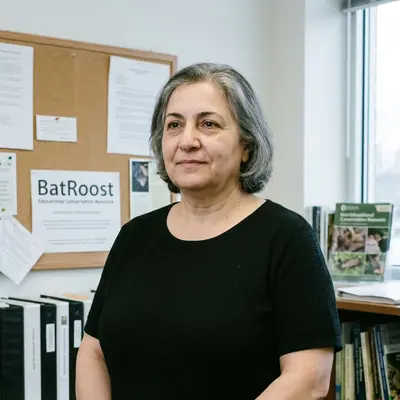
Amira Al-Zahrani
Education Program Director
I share real-world success stories to demonstrate the practical impact of local bat conservation efforts.
Senior Conservation Strategist
Effective stewardship requires looking past conventional wisdom. The senior strategist evaluates existing roost designs and placement theories, discarding what fails in the field and refining what works.
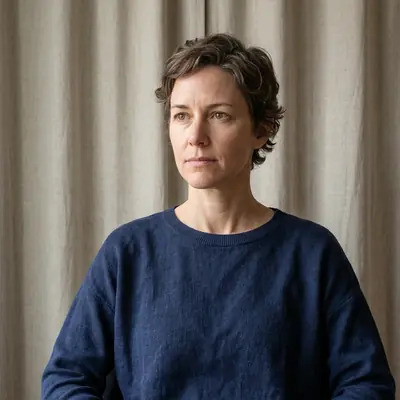
Elena Brooks
Senior Conservation Strategist
I develop high-impact habitat strategies through rigorous field testing and skeptical analysis of current methods.
Wildlife Data Analyst
Raw observation needs rigorous quantification. The data analyst processes temperature logs, occupancy rates, and seasonal migration timelines to build a proven foundation for our habitat recommendations.
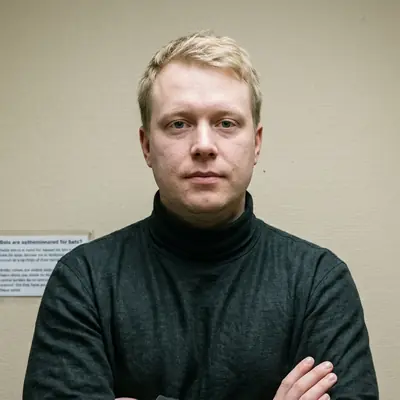
Dr. Erik Lindgren
Wildlife Data Analyst
I use microclimate data and thermal benchmarks to quantify the success of artificial roosting habitats.
Habitat Restoration Specialist
Physical roost structures degrade over time. The restoration specialist monitors the physical condition of established colonies, identifying structural vulnerabilities before they cause colony abandonment.
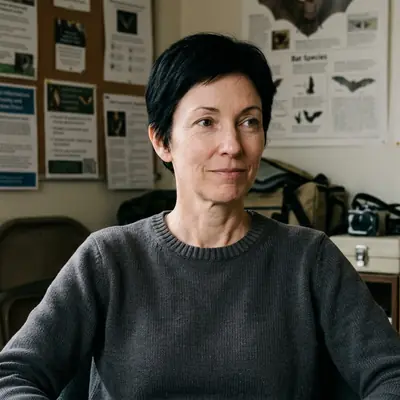
Rebecca Sterling
Habitat Restoration Specialist
I evaluate the long-term stability of bat colonies through detailed structural case studies and restoration data.
Community Outreach Coordinator
Conservation happens in backyards and community parks. The outreach coordinator connects directly with property owners, translating technical habitat requirements into manageable weekend projects.
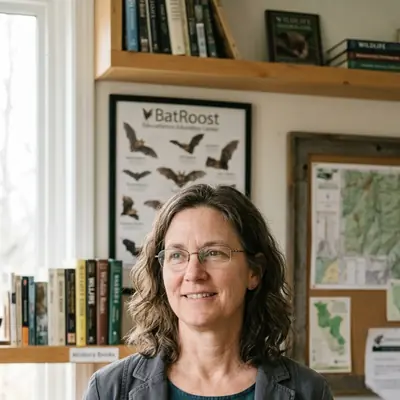
Sarah Jenkins
Community Outreach Coordinator
I translate bat conservation science into practical steps for homeowners and community volunteers.
How Our Roles Work Together
We design our conservation initiatives as a continuous feedback loop. The data analyst identifies thermal anomalies in field roosts, passing these metrics to the conservation strategist. The strategist then adjusts our placement guidelines to ensure optimal solar exposure.
When we rolled out our updated mounting protocols last spring, community volunteers reported confusion over the new orientation requirements. Our outreach coordinator immediately revised the field guides. This tight integration keeps our methods both scientifically rigorous and accessible to the public.
What Our Team Can and Cannot Advise On
Proper habitat stewardship requires recognizing the limits of our expertise. We specialize in roost microclimates, structural design, and population monitoring through our ongoing multi-year field studies. We do not provide veterinary advice for sick or injured wildlife, nor do we handle pest control exclusions.
For habitat optimization and roost placement, review our field guides or reach out to our outreach team. We remain focused entirely on creating and maintaining safe, sustainable environments for local bat populations.