
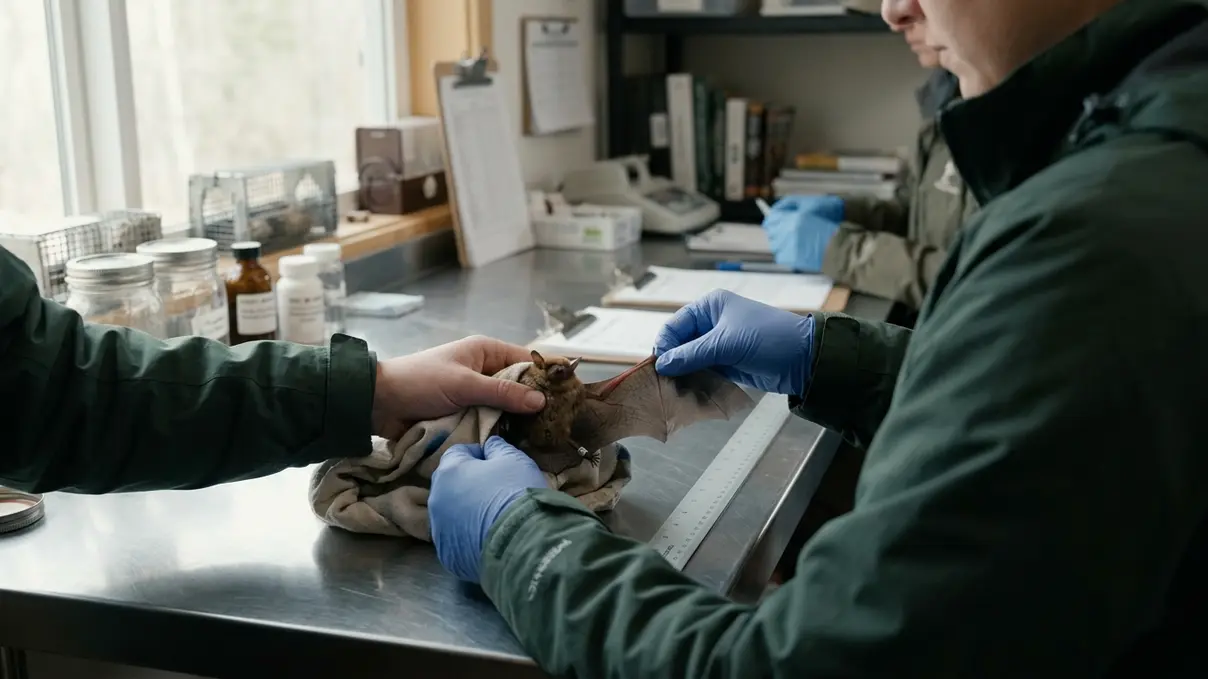
What changes when bats disappear from the night?
Stand in a quiet backyard at dusk during the warm months of May through September in much of North America, and you might notice the sudden absence of movement overhead. We often overlook bats until they are gone. When the sky remains empty during that critical window—late dusk through the first two to three hours after sunset, it signals a landscape-scale shift rather than just a local quirk.
A single foraging session for a small insect-eating bat covers multiple adjacent yards. If they vanish from your property, they have likely vanished from the neighborhood. They are not just spooky silhouettes. They are active participants operating as predators, pollinators, seed movers, and roost-dependent wildlife. Losing them alters gardens, farms, forests, caves, and our own stewardship choices.
What “bats matter to ecosystems” actually means
Ecosystem importance defines how a species influences food webs, plant reproduction, nutrient movement, habitat structure, and ecological balance. More than 1,400 bat species exist worldwide. Their roles vary entirely by diet and region.
Some consume insects, while others rely on nectar, fruit, pollen, or even small vertebrates and blood. Diet determines the ecological role. Not every bat performs every function. In my quantitative ecology work, I focus on three major ecological roles: insect predation, pollination and seed dispersal, and roost-linked nutrient cycling.
These benefits hold true at the population or colony scale. A single bat's contribution to nutrient cycling or plant reproduction is too small to measure meaningfully, but a colony shapes the landscape.
The most visible role: bats as nighttime insect predators
Many bats eat flying insects. They feed opportunistically on whatever is abundant on a given night, including moths, beetles, midges, and mosquitoes. Prey composition shifts across the active season as different insect populations emerge.
I frequently see a common scenario: a homeowner installs a bat house expecting a guaranteed mosquito-control solution, sees no measurable drop in mosquitoes, and assumes the bats failed. In reality, the resident species feeds mostly on moths and beetles and was never a mosquito specialist. Stomach-content and DNA-based diet studies consistently find that mosquitoes make up a minor fraction of most insectivorous bats' diets compared with larger or more abundant prey.
Insect predation still matters deeply. Bats add natural pressure to nighttime insect populations. They form part of a broader web alongside birds, spiders, amphibians, and beneficial insects. Pesticide reduction supports bats only where the insect base is preserved. Spraying that collapses local night-insect populations removes the food source you are trying to protect.
Pollination and seed dispersal: the plant connections people miss
People often miss the plant connections because backyard residents in temperate zones are almost exclusively insectivorous. Nectar-feeding bats are documented pollinators of night-blooming desert plants such as agave and columnar cacti, including saguaro and organ pipe.
Fruit bats disperse seeds of many tropical pioneer trees across cleared ground. Seeds passed by fruit bats are often deposited in open, disturbed areas where the animals fly and rest. This positions the seeds for forest-edge regeneration over multi-year successional timeframes rather than a single season.
Problems arise when advice written for temperate insectivore backyards is applied to a desert region where the relevant bats are nectar-feeding pollinators. This leads to plantings and expectations mismatched to the actual local species. You cannot support bats optimally if you misunderstand their diet.
Roosts make bats part of caves, trees, bridges, and buildings
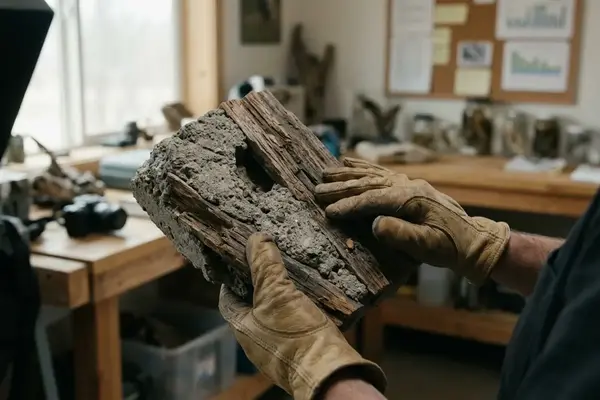
Roosting habitat is inseparable from ecosystem value. Where bats rest, raise pups, shelter, and overwinter dictates how they interact with the landscape. Natural roosts include tree cavities, loose bark, caves, and rock crevices. Bats also utilize human-associated structures such as bridges, barns, and bat houses.
Many species switch roosts seasonally between summer maternity sites and winter hibernacula. In cave systems, accumulated guano supports specialized invertebrate and microbial communities. These nutrient effects are concentrated at established colony sites and do not scale down to a few bats in a backyard box.

Tracking data shows that roost selection directly impacts survival. Disturbance is especially harmful during maternity season, roughly late spring into mid-summer in temperate zones. It is equally dangerous during winter hibernation, when arousal burns fat reserves bats cannot replace.
Limits, risks, and common misconceptions
We must acknowledge the limits of these ecological claims. Bat benefits vary by species, climate, habitat, and season. The same advice does not transfer between a desert nectar-feeder's range and a temperate insectivore's backyard.
Bats are beneficial wildlife, not pets or pest-control devices. Grounded or daytime-active bats can indicate illness or injury. According to intake records from wildlife rehabilitators, human interference often complicates these situations. Never handle a bat with bare hands. Keep pets and children away, and contact local wildlife or public-health authorities.
Misconceptions also ruin habitat efforts. A bat box mounted in deep shade at low height stays empty for years because it never reaches the warmth maternity colonies need and sits within reach of predators, while the owner concludes bats simply aren't present. A bat house should be sited away from doors, windows, and high-traffic walkways. The goal is habitat near foraging and water, not a colony funneled into human entry points.
How to support bats without disrupting them
Practical stewardship starts with the habitat you already have. During my early collaborations with the Cranbrook Institute of Science and the Organization for Bat Conservation (OBC), we emphasized habitat preservation over immediate equipment purchases.
- Preserve mature and dead-standing trees where structurally safe.
- Reduce or shield bright outdoor lighting.
- Keep cats indoors at night.
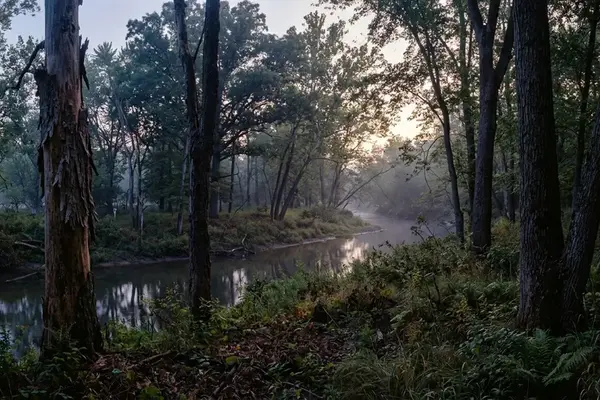
- Protect clean water sources within the local foraging landscape.
If you choose to install a bat house, manage your expectations. Bat houses commonly remain unoccupied through their first season or longer. Realistic placement requires proper sun exposure for warmth, mounting height clear of predators, and seasonal monitoring.
Quick Tip: Make one habitat improvement before buying equipment. Protect a known roost tree, plant night-blooming native flowers where regionally appropriate, or reduce bright outdoor lighting to support the existing insect base.
Reference note
Note: While acoustic monitoring captures broad activity patterns, species-level identification remains constrained by overlapping call frequencies in cluttered environments.
For a public-agency overview of bat ecological roles, see the National Park Service overview of why bats matter.






Join the Conversation
No comments yet.
Join the Discussion