
Why the Same Bat May Not Use the Same Roost Twice
A bat slips under a bridge slab at dusk. The next night, that same animal may tuck behind loose bark on a dead limb. By the weekend, it may be using a narrow attic gap that a homeowner has never noticed.
That is the first correction I make in the field: a roost is not always a permanent home. For many temperate-zone bats, it is a shelter chosen against the day’s conditions. Temperature matters. So does safety from predators, distance to feeding areas, and the season.
Roost-switching is especially common through the warm-season window, before torpor and hibernation patterns take over. Some bats shift every few days when day and night temperatures swing hard. Others, especially maternity-colony females, may show strong loyalty to a familiar structure across years. Both patterns can be true.
So the useful question is not, “Where do bats live?” It is sharper: “What does this roost type offer, and what responsibility does it create?” Trees, buildings, and bridges can all support bats. They just ask different things of the people around them.
At a Glance: Trees vs. Buildings vs. Bridges
I use this comparison because it maps to real decisions. Can the tree stay? Should the attic gap be sealed later? Does bridge work need wildlife timing built into the schedule?
The table is not a ranking. A warm attic that helps a maternity colony in a cool northern setting can become dangerous in a hot southern climate. The same structure can deserve opposite advice by latitude.
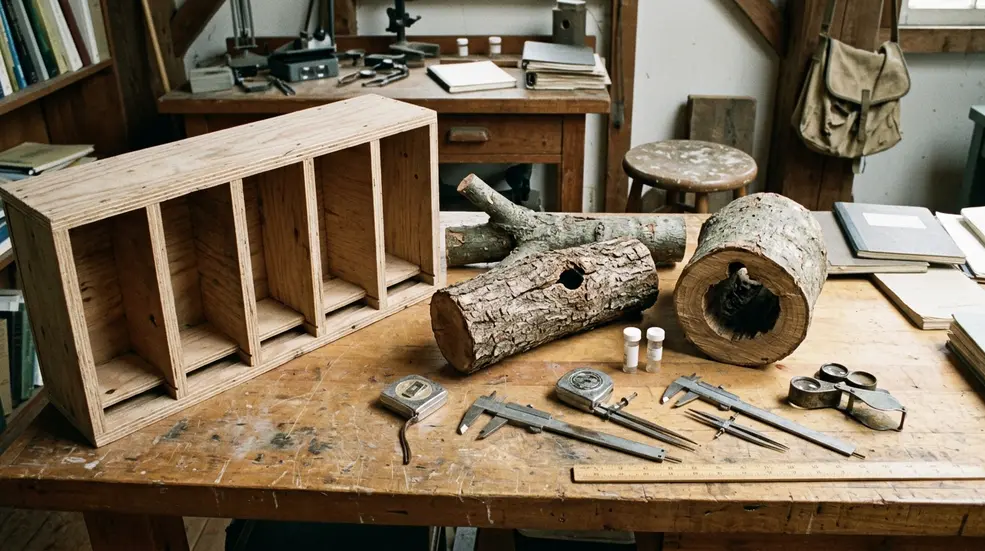
| Roost Type | Typical Roost Spaces | Stability | Human Conflict Risk | Primary Stewardship Concern |
|---|---|---|---|---|
| Trees | Loose bark, cavities, storm cracks, dead snags, woodpecker holes | Seasonally variable; strongly affected by sun, wind, decay, and storms | Often lower, unless the tree threatens a house, road, trail, or utility line | Pruning, hazard removal, and unnecessary loss of cavity-bearing trees |
| Buildings | Attic vents, fascia gaps, soffits, chimneys, shutters, siding spaces, roofline cracks | Often warm and steady, especially compared with exposed tree roosts | Higher because guano, odor, noise, and repairs affect residents directly | Humane exclusion timing, safe sealing, and local legal requirements |
| Bridges | Expansion joints, beam crevices, drainage gaps, concrete undersides | Can be stable where crevices stay protected from rain and wind | Usually lower for households, but higher for infrastructure planning | Maintenance, repainting, sealing, demolition, and inspection timing |
Summary: The best roost type depends on climate, season, structure condition, and nearby habitat. There is no universal winner.
Trees: The Original Bat Roosts
What to look for from the ground
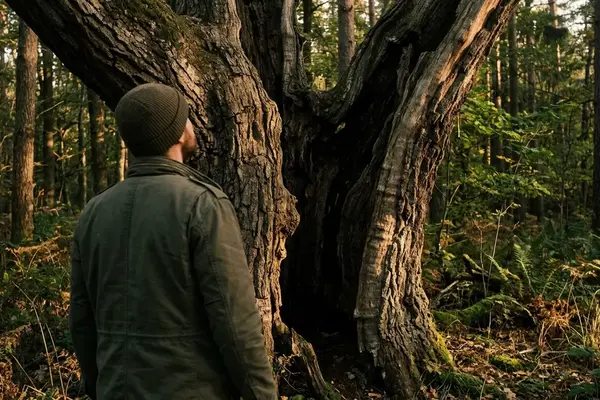
Start with what you can see without touching the tree. Loose bark is the easy clue. Then look for vertical cracks, lightning scars, storm-damaged limbs, woodpecker holes, and dead snags with cavities.
Bats often use dead or dying portions of trees because decay creates tight shelter. A fully live trunk may look healthier to us, but it may offer fewer usable pockets.
Trees work because they offer height, camouflage, and quick access to insects. They also give bats options. If one cavity gets too cool, too hot, too exposed, or too interesting to a predator, a bat can move to another roost nearby.
How to steward tree roosts without turning every snag into a monument
Retain safe deadwood where it fits the site. Keep cavity trees when removal is not necessary. When pruning can wait, avoid the broad pup-rearing period from June to mid-August in temperate areas, when flightless young are most vulnerable.
But I do not romanticize hazardous trees. A snag leaning over a sidewalk, bedroom, road, or service line needs a qualified arborist’s judgment. Human safety governs; wildlife timing gets layered in where it can.
Quick Tip: Inspect suspected tree roosts with binoculars from the ground. Do not peel bark, probe cavities, or knock on trunks to “see what comes out.”
Buildings: Warm, Stable, and Often Complicated
Buildings invite bats through small mistakes in the envelope. Ridge vents. Gable louvers. Fascia gaps. Soffits. Chimneys. Shutters. Siding spaces. Roofline cracks that look cosmetic from the driveway.
That warmth is the draw. Attic and roofline spaces may hold steadier microclimates than exposed tree cavities, especially during cool stretches of the breeding season. For a maternity colony, that can matter.
Then the human part arrives.
Guano accumulates. Residents hear scratching or faint squeaking. Odor moves through a wall cavity. A simple maintenance concern becomes emotional because the roost is no longer outside the home; it is in the home.
The July exclusion problem
The most preventable case I see is the early-summer one-way door installed too soon. A homeowner schedules attic exclusion in early July, assuming the adult bats will leave and the problem will solve itself. The adults do leave. Flightless pups remain behind, die inside the structure, and create a worse odor and decomposition problem than the original colony.
This is why timing matters as much as hardware. In many temperate areas, late spring through midsummer is the sensitive window for young that cannot yet fly. Local law may also restrict exclusion during defined seasons, and those rules vary by jurisdiction.
Note: Do not seal a suspected bat entry point until you know whether young may be present and whether local regulations allow exclusion at that time.
Bridges: Engineered Crevices That Can Function Like Cliffs
Most people do not picture a bridge as habitat. I do, because the underside of the right bridge can read like a cliff face.
Narrow expansion joints, beam crevices, drainage gaps, and protected concrete undersides can provide the kind of tight, dry shelter that crevice-roosting bats use in rock fissures. Concrete can hold daytime warmth. Overhead structure can block rain and wind. The geometry does much of the work.
Bridges and buildings are both artificial roosts, but they create different conflicts. A building roost usually puts bats in direct contact with residents. A bridge roost more often collides with maintenance schedules, inspection routines, repainting, joint sealing, resurfacing, or demolition.
The best time to raise the bat question is during planning, not after equipment arrives. Once work begins, choices narrow quickly.
There is also a hard boundary here: observe bridges only from public, lawful vantage points. Do not climb, enter confined spaces, or trespass on active infrastructure. A close look is not worth the risk.
How to Read a Possible Roost Without Disturbing It
A good roost check is quiet, patient, and slightly boring. That is the point.
The most reliable single sign is dusk emergence. Settle in at a fixed distance around sunset and watch the gap, cavity, or crevice for the next half hour. Use binoculars. Keep lights off the opening. Let the animals tell you whether the space is active.
Field-observation checklist
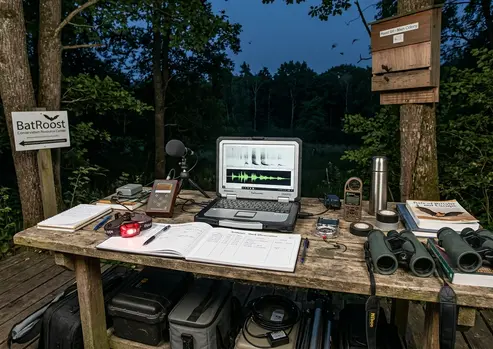
- Dusk emergence from a specific crack, gap, cavity, or joint
- Faint squeaking near a sheltered opening
- Brown staining or greasy marks below repeated entry points
- Scattered guano beneath the suspected roost
- Heavy insect activity near a repeated evening flight path
- Bats returning to the same opening over multiple evenings
How the clues change by roost type
- Trees: Look for bark flakes, dark cavity mouths, split limbs, and woodpecker holes. Stay on the ground.
- Buildings: Look for roofline staining, guano below siding or vents, and repeated exits from the same narrow gap.
- Bridges: Look for dark crevice openings and pellet accumulation directly below joints or beams, from a legal viewing point.
Guano alone confirms past use, not current occupancy. A bridge joint can hold old staining after a colony has moved elsewhere. A roofline gap can look active from residue and still be quiet this week.
That distinction saves bad decisions.
Scope, Seasons, and What This Comparison Cannot Tell You
This guide compares roost settings. It cannot identify species, confirm colony size, or determine legal status from signs alone. That is the narrow lane it stays in: roost-setting comparison, not species diagnosis.
Season complicates every tidy answer. A site that reads empty in one observation week may host bats weeks later. A summer maternity roost and a winter hibernation site may be entirely different structures used by the same local population.
Region changes the timing too. Latitude, elevation, weather, habitat quality, and available alternatives all shift warm-season and cold-season behavior. Advice that fits a cool northern attic may be wrong for a hot southern one.
For broad background on bat biology and conservation, the National Park Service overview of bats is a useful starting point. For site-specific decisions, such as exclusion, tree removal, or structural repair, bring in a licensed bat professional, local wildlife agency, or qualified biologist.
That is the practical ethic I trust: read the roost carefully, act slowly when young may be present, and match the decision to the structure in front of you.



Join the Conversation
No comments yet.
Join the Discussion