Analyzing the Efficacy of Fear-Reduction Messaging in Bat Conservation Campaigns
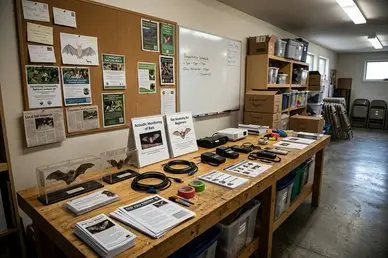
Learn how bat outreach can address fear, compare pre- and post-session surveys, and turn curiosity...

Hit ESC to dismiss

Learn how bat outreach can address fear, compare pre- and post-session surveys, and turn curiosity...
See how the Bat Zone used live-animal ambassadors to reshape bat attitudes. Learn what its...

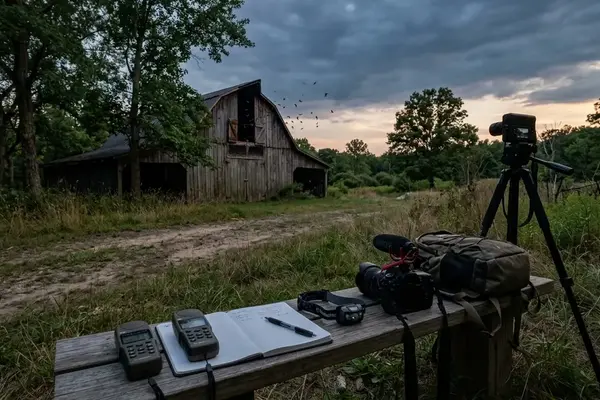
Plan and conduct an accurate bat emergence count, record field observations, avoid common errors,...
Learn how bats hunt moths behind tomato hornworms, corn earworms, and other crop pests—and how to...
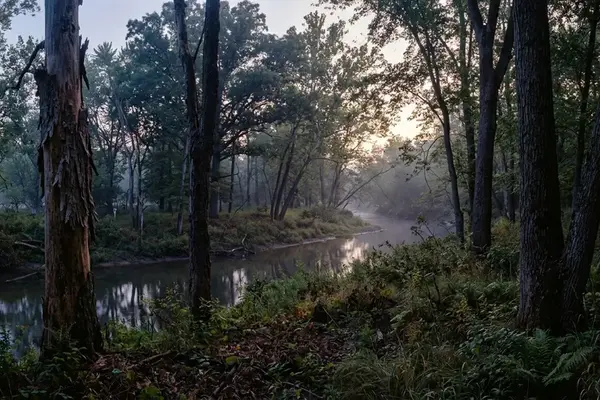
See how protected waterways and adjacent forests support Indiana bat recovery, and what habitat...
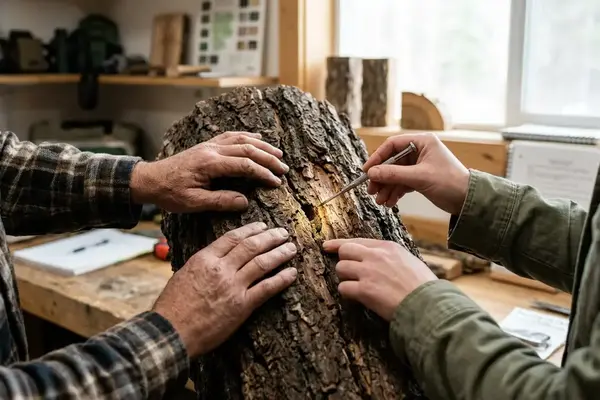
Learn to identify bat-friendly snags, assess tree hazards, preserve roost features, and choose...
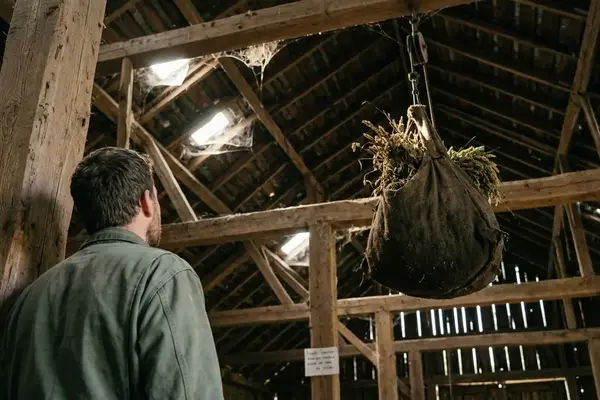
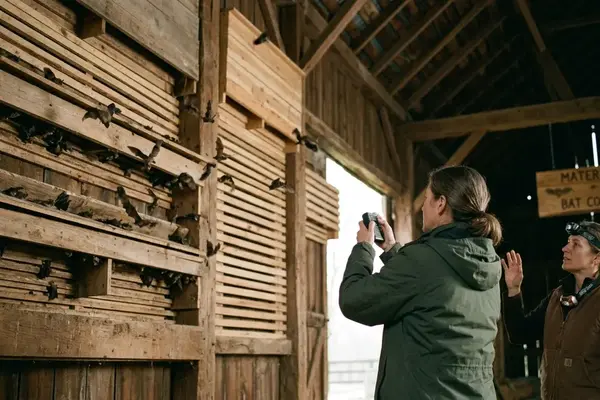
See how a community retrofitted an abandoned barn with structural repairs and temperature controls...
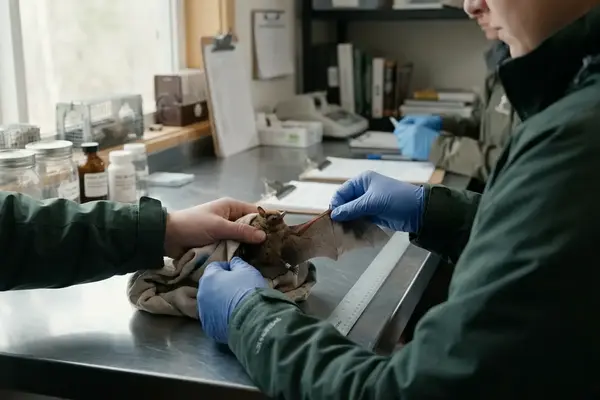
Learn why bats matter to ecosystems, from insect control to pollination and seed dispersal. See how...
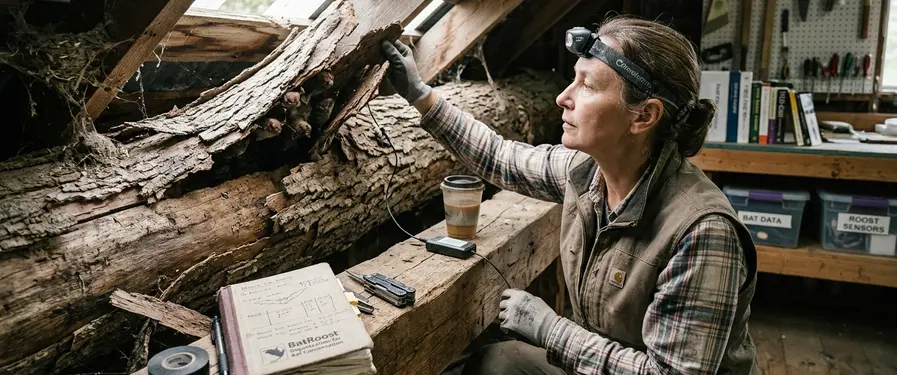
We focus on replacing these lost environments with viable alternatives. Understanding exactly what bats require—specific temperature gradients, predator protection, and proper ventilation, allows property owners to build and maintain effective artificial roosts. It takes more than nailing a wooden box to a tree. Successful habitat stewardship demands careful attention to solar exposure and local insect populations.
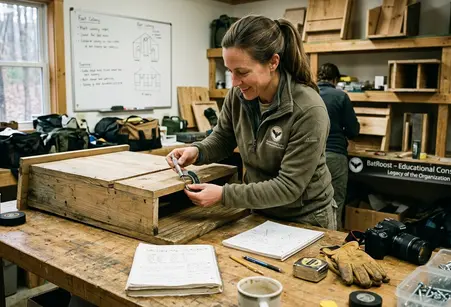
Our approach centers on practical education. We equip homeowners and land managers with the biological context needed to make informed decisions about their properties. By evaluating the landscape through an ecological lens, stewards can identify the best locations to support vulnerable populations.
Explore our core educational materials covering habitat creation, species biology, and community outreach.
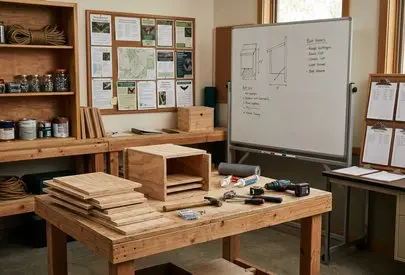
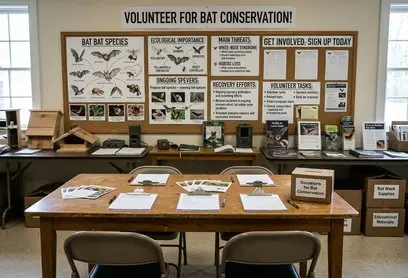
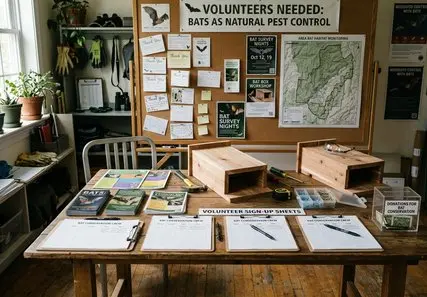
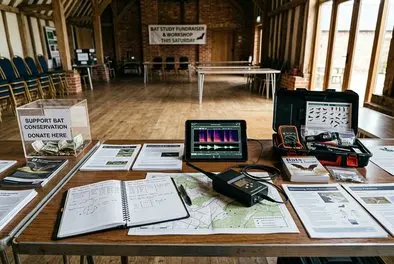
Putting up a bat house is only the first step in supporting local populations. According to intake records from regional rehabilitation networks, poorly placed structures often lead to overheating or increased vulnerability to predators.
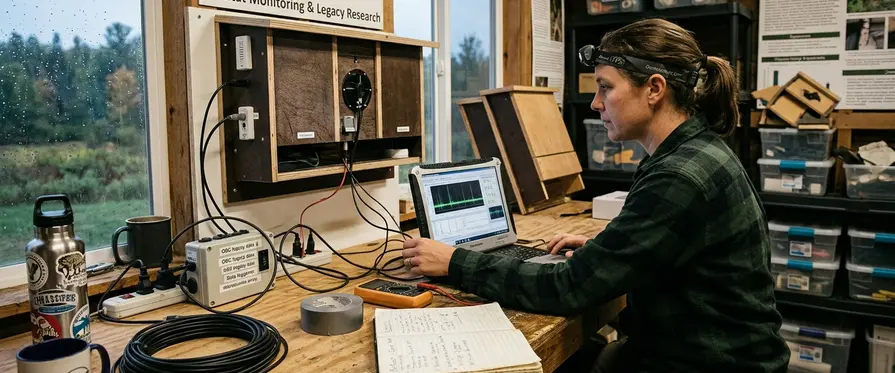
We shifted our guidance to emphasize active, ongoing stewardship. Monitoring temperature fluctuations and observing evening emergence patterns allows stewards to adjust baffles or relocate boxes before colonies abandon them entirely. While proper box design significantly increases occupancy rates, local microclimates mean no single placement strategy guarantees immediate adoption.
Always conduct physical maintenance during the winter months when roosts are vacant to avoid disturbing sensitive maternity colonies.
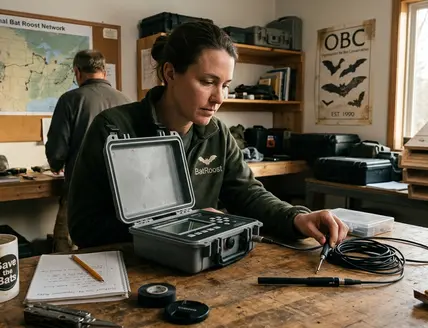
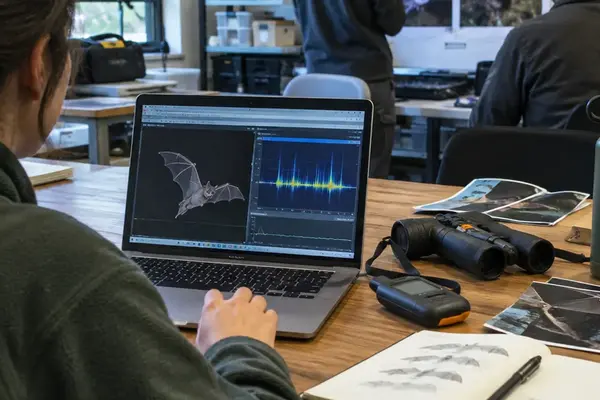
For those looking to track activity without causing disturbance, acoustic monitoring provides a reliable alternative to physical inspections. Recording echolocation calls helps identify which species are utilizing the habitat and provides valuable data on feeding patterns over the summer months.
Effective conservation requires both community buy-in and rigorous data collection. Our core group combines decades of experience in habitat strategy and quantitative ecology to support backyard stewards and public educators alike.

Elena Brooks leads our habitat design initiatives, ensuring artificial roosts meet strict biological requirements. Dr. Erik Lindgren analyzes acoustic monitoring data to track regional population shifts. Sarah Jenkins translates these technical findings into actionable community engagement programs. They continuously refine our educational materials and field practices.