The Landowner’s Guide to Identifying and Protecting Snags for Forest Bats
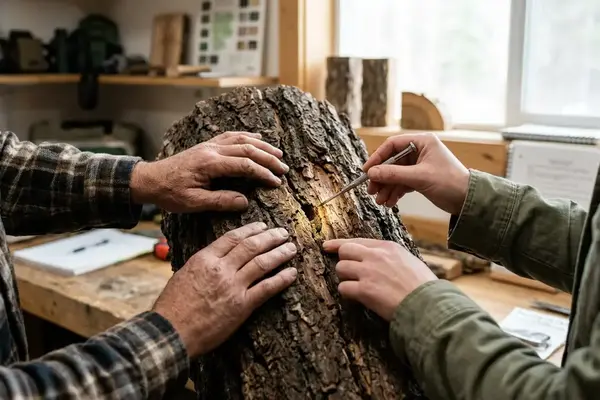
Learn to identify bat-friendly snags, assess tree hazards, preserve roost features, and choose...

Hit ESC to dismiss
Core topics and current thinking
5 articles
Learn to identify bat-friendly snags, assess tree hazards, preserve roost features, and choose...
See how a community retrofitted an abandoned barn with structural repairs and temperature controls...
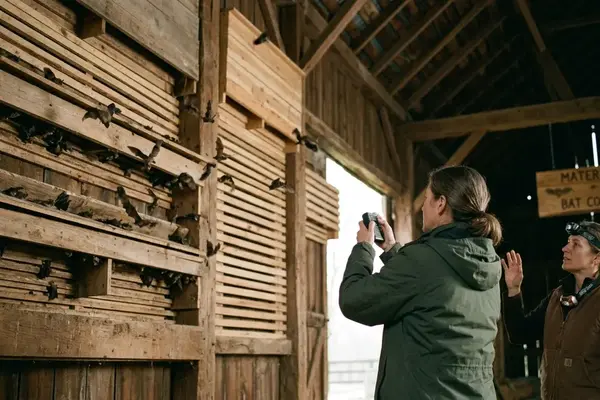
Learn how to evaluate a bat roosting site by sun, shelter, water, disturbance, and safety before...
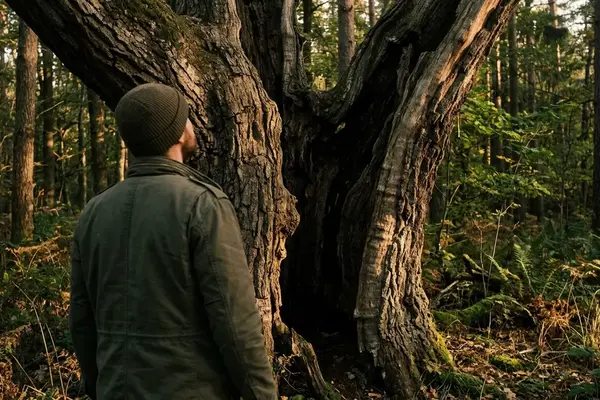
Learn what seasonal roosting behavior means, why bats switch shelters, and how homeowners can...
Compare tree cavities, buildings, and bridges as bat roosts, with practical clues for identifying...
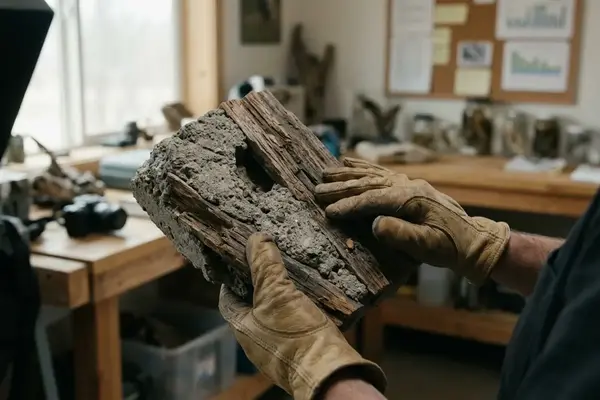
Understanding roosting behavior requires looking closely at the landscape through a bat's perspective. A dead snag left standing or a properly placed bat box can mean the difference between a thriving local colony and a displaced one. We focus on practical implementation, helping you identify existing natural features worth protecting while offering clear steps for introducing artificial structures when natural options fall short.
Protecting these spaces demands ongoing observation rather than quick fixes. As you explore these guides, prioritize habitat preservation first and supplement with artificial roosts only when necessary to maintain healthy, stable populations.