
The Most Responsible Choice May Be to Leave the Dead Tree Standing
Retaining a dead or dying tree can be the safest responsible choice when people and property remain outside its potential impact area.
That position can feel uncomfortable. A snag may offer excellent bat shelter while shedding bark, dropping limbs, or losing part of its trunk. Landowners often feel pushed toward one of two extremes: remove every dead tree or declare every wildlife tree untouchable. A sound decision starts by examining habitat value and exposure together.
A snag is a standing dead or partly dead tree. Living trees also belong in this conversation when they carry cavities, bark cracks, dead limbs, or a single dead stem. Those features can provide shelter even while the rest of the tree remains alive.
Hands Off Bark
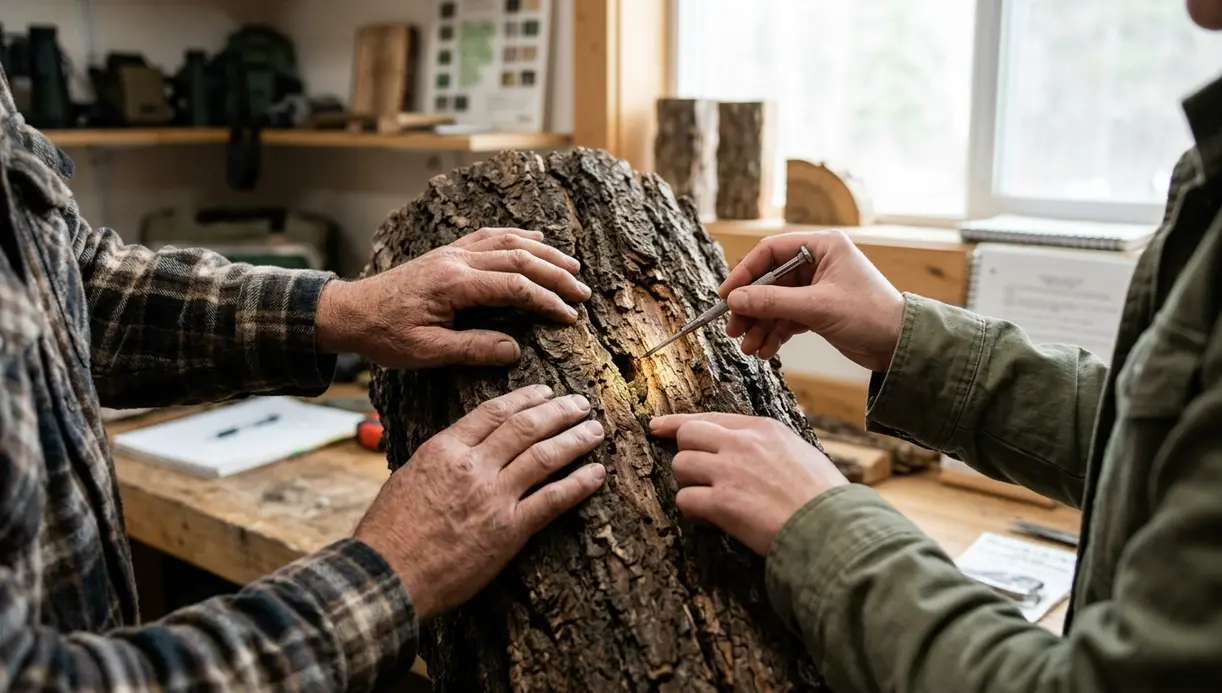
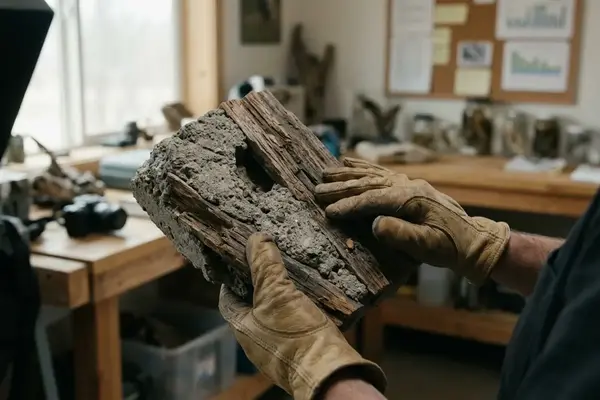
Never peel loose bark to investigate a possible roost. A homeowner doing so could destroy concealed shelter and dislodge the bark or decayed wood onto themselves. Observe from a fixed, safe position instead.
The practical sequence is straightforward: identify the tree, observe visible conditions, map nearby targets, obtain qualified help where needed, choose the least disruptive response, and monitor what remains.
Read the Tree From the Ground Up
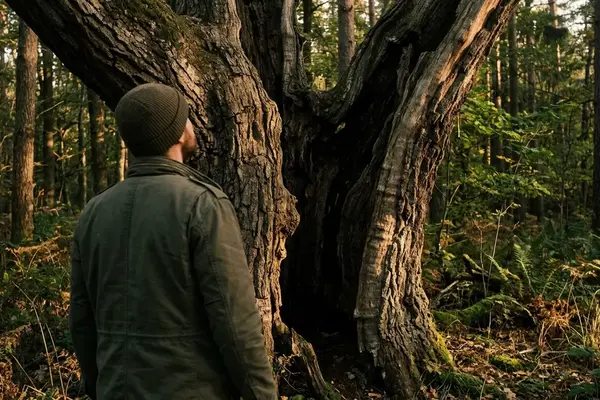
Begin where a ground observer naturally begins: at the crown. A persistently bare crown, dead upper limbs, or a broken top may indicate decline. Then scan down the trunk for missing or loosening bark, cracks, cavities, fungal fruiting bodies, and extensive decay. Finish at the base without stepping beneath the canopy.
A dead snag and a living wildlife tree can display similar habitat features. Their maintenance choices may differ, however. A living tree with one dead limb might allow limited pruning while retaining the trunk and cavities. A fully dead stem may require a wider discussion about targets, lean, root condition, and likely failure points.
Resist diagnosing structural condition from one feature. Tree species, climate, decay stage, and recent weather all affect appearance. Bark shed that looks alarming on one species may be part of a different pattern on another.
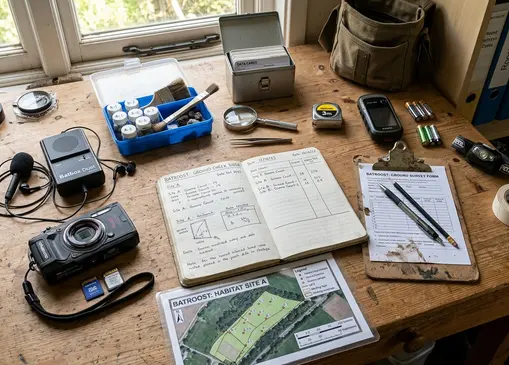
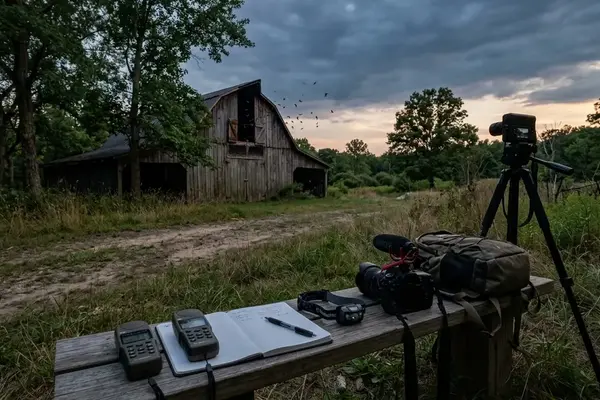
A basic observation kit should stay simple: binoculars, a camera with zoom, and written notes. A ground check can flag change; it cannot determine hidden wood strength. Touching the trunk, probing a cavity, or walking beneath a suspended limb adds danger without resolving that uncertainty.
Which Snag Features Could Shelter Bats?
Potential roost structures include woodpecker holes and other cavities, vertical cracks, hollow trunks or limbs, spaces beneath naturally lifting bark, and sheltered splits near broken tops. Search visually rather than testing the feature by hand.
Context matters. Solar exposure can affect a feature’s temperature, while height and surrounding vegetation shape access. Nearby water, forest edges, and open flight paths may also influence use. None of these conditions guarantees that bats occupy the tree.
Different species and life stages seek different roost conditions. A narrow crack that suits a solitary bat may offer too little space for a maternity group. A summer shelter should not be assumed to serve wintering bats.
Watch From Afar
A calm dusk watch can add useful evidence. From a safe viewing point, note bats emerging, staining near an opening, or droppings below a feature. Record the date and weather rather than treating the observation as a verdict.
One quiet evening cannot certify vacancy. A feature may receive intermittent or seasonal use, and a maternity roost might become active only during warmer weeks. Repeat observation preserves options that a rushed cut would erase.
Map What the Tree Could Hit Before Judging the Tree
Shift your attention from the snag to the ground around it. Mark homes, sheds, power lines, roads, paths, play areas, campsites, livestock spaces, vehicles, and frequently occupied work zones. Include the tree’s lean, major dead limbs, slope, and normal access routes.
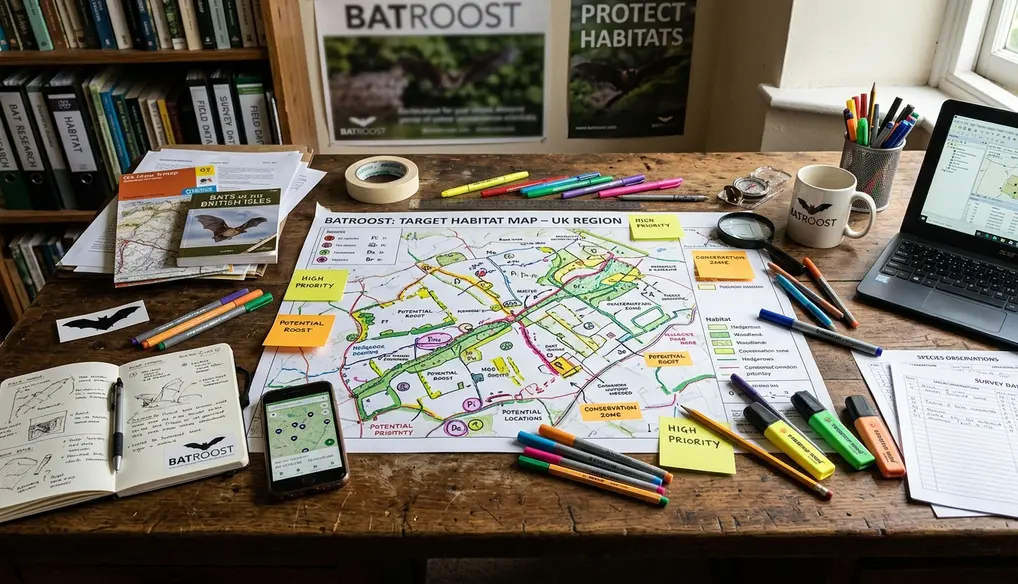
Risk reflects three connected questions: How might the tree or a limb fail? Is something likely to be present where it lands? What would the consequence be? Constant exposure from a house differs from occasional exposure involving a bench, parked trailer, or seldom-used trail.
This explains why two snags with similar woodpecker cavities may warrant opposite responses. One beside a seldom-used trail could remain under observation after access changes. Another within striking reach of a play area calls for professional assessment.
A universal fall-zone distance would give false precision. Tree height, lean, crown structure, slope, defects, and failure mode alter the possible reach. Map what you can see, keep people away, and escalate uncertainty where the consequence is serious.
Complete a Safe Ground-Based Snag Check
I use the same viewing points each time because repeat photographs reveal change more clearly than memory does.
- Establish a distant viewing position. Stay outside the area where the trunk, top, or suspended limbs could reach.
- Scan the crown. Look for broken tops, dead upper limbs, and newly hanging material.
- Inspect the trunk visually. Note cracks, cavities, lifting bark, fungal growth, fire injury, and recently exposed wood.
- Observe the base and soil. From a distance, record exposed roots, soil lifting, flooding effects, or apparent root movement.
- Identify habitat features. Mark cavities, splits, hollow sections, and loose-bark shelter without approaching them.
- Map nearby targets. Distinguish occupied areas from movable or occasional targets.
- Photograph and date the record. Capture the same crown, trunk, and base views for later comparison.
Also record the property location, a tree description, weather or disturbance events, actions taken, and the trigger for the next review. Newly hanging limbs, a changing lean, fresh cracks, fallen pieces, or lifting soil should be documented from afar.
Seek a qualified professional when a snag can strike an occupied area, its structural condition remains uncertain, large limbs hang overhead, roots appear to move, utilities are involved, or the work would require climbing or cutting.
Use a Retain-First Ladder of Options
Start with the least disruptive response and move down the ladder only when the earlier option cannot manage exposure:
- Retain the snag and monitor it.
- Move the target.
- Reroute access.
- Establish a no-entry area.
- Use limited pruning or reduction where appropriate.
- Retain a shorter wildlife trunk where conditions allow.
- Remove the tree when lower-impact measures cannot manage the risk.
Movable targets often provide the clearest opening. Relocate a bench, change a mowing route, move stored equipment, or close an informal path. Each action reduces exposure while leaving roost structures intact.
Snag Triage Grid
Snag triage grid supporting proportionate decisions without certifying safety| Habitat potential | Target exposure | Visible change | Proportionate next action |
|---|---|---|---|
| Strong roost features | None or distant | No recent change observed | Retain, document, and review periodically |
| Strong roost features | Movable or occasional | No recent change observed | Move the target or reroute access, then monitor |
| Possible roost features | Occupied area within potential reach | Condition uncertain | Restrict access and obtain qualified assessment |
| Any habitat potential | People, utilities, or property exposed | New lean, hanging limb, root movement, or fresh breakage | Keep clear and escalate promptly to a qualified professional |
Targets Change Choices
Low exposure paired with strong roost potential supports retention and periodic review. A busy play area beneath the same tree changes the decision even when the habitat features remain identical.
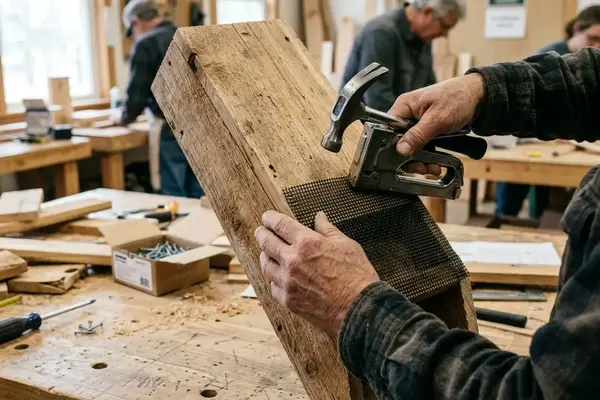
A shortened wildlife trunk may preserve some cavities or decay habitat, although it cannot reproduce every function of the original snag. A bat house also differs in temperature, dimensions, and seasonal value from a natural roost.
Check Occupancy, Timing, and Local Requirements Before Work
Bat use changes with species, region, season, weather, and roost type. Universal cutting months would overlook those differences. Before disturbing a snag with suspected use, consult the relevant wildlife authority or a qualified local wildlife professional and verify current local requirements.
Broaden the pre-work check beyond bats. Cavities and broken tops may contain nesting birds or other wildlife. A tree that appears quiet from the ground can still hold animals deep within a hollow or behind bark.
If work proceeds, give the contractor the complete snag record. Point out every observed cavity, crack, broken top, and loose-bark feature before equipment enters the site. Share photographs and explain where dusk activity or staining was seen.
Keep access closed while occupancy and work timing remain unresolved. This pause protects wildlife and prevents people from wandering beneath a tree whose condition may already be changing.
Make the Snag Part of a Living Stewardship Plan
Retention creates an ongoing responsibility. It does not declare the tree permanently safe.
Schedule repeat visual checks at a frequency suited to how the site is used and any professional advice received. Add an off-cycle check after major storms, fire, flooding, nearby excavation, abrupt canopy loss, or a visible structural change. Return to the same distant viewpoints and compare photographs before making the next decision.
Where property safety allows, maintain native vegetation, forest-edge cover, and dark flight space around the snag. These conditions can support useful habitat, though bats may never occupy an otherwise promising tree.
A snag record turns that uncertainty into a workable practice: observe, document, reduce exposure, and revisit the choice when conditions change. Which target around your snag can you move today so the tree’s habitat value still has a chance to remain?
Join the Conversation
No comments yet.
Join the Discussion