
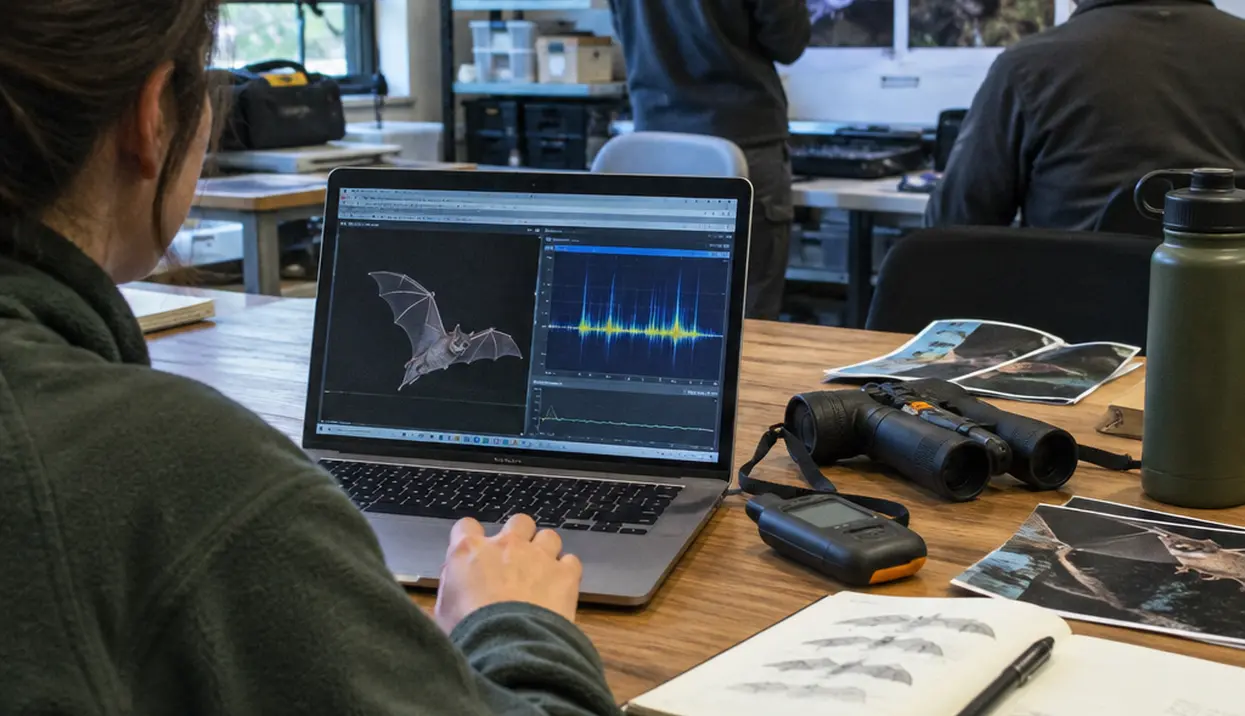
When fear decides what happens to a bat roost
A homeowner notices bats near the eaves at dusk. By morning, they may be thinking about sealing the opening. Another sees a bat house in the yard and considers taking it down. In either case, fear can turn a question about wildlife into an immediate decision about a roost.
That is the decision an outreach session needs to reach. I would ask participants what they plan to do if they find bats near their home, then ask the same question after the session. An enjoyable presentation tells us little about whether someone will leave a roost undisturbed long enough to seek sound advice.
The available brief describes a way to ask those before-and-after questions, but it supplies no results. It cannot tell us which message works best. It can, however, help educators compare messages without mistaking a calmer room for safer decisions.
Which bat fear needs an answer first?
“I’m afraid of bats” can mean several things. A person may dislike the sight of bats overhead. Someone else may worry that bats are getting into the house. A third person may have a specific question about disease or possible exposure. Nearby roosts can also create uncertainty: people may simply have no idea what they are seeing or whom to ask.
I would invite those concerns before choosing a script. A description of normal roosting behavior may help someone who assumes every bat near a roof has entered the living space. It gives a person worried about contact less of what they need. That person needs a calm explanation of what to avoid doing and where to get appropriate local wildlife or public-health guidance.
Educators should distinguish an unsupported assumption from a legitimate safety concern without embarrassing the person who raised it. If someone suspects contact or exposure, reassurance alone is an inadequate response. They need to avoid handling the bat and seek the appropriate guidance for their situation.
The Organization for Bat Conservation belongs in a discussion of BatRoost’s conservation legacy. Its name does not establish that any particular outreach message changed a homeowner’s behavior. For this question, the useful evidence comes from what participants understand and choose after hearing the message.
Put three bat messages to the same test
Three approaches give an educator a workable comparison. Each should address the same underlying safety questions; otherwise, the most entertaining presentation could appear to succeed while leaving out advice people need.
- Explain roosting behavior. Describe why bats may use sheltered spaces and what someone can observe from a distance. The hoped-for change is more accurate understanding.
- Respond to the stated fear. Acknowledge the concern, explain sensible boundaries around contact and disturbance, and point to appropriate local guidance. The hoped-for change is a greater sense of control over the next step.
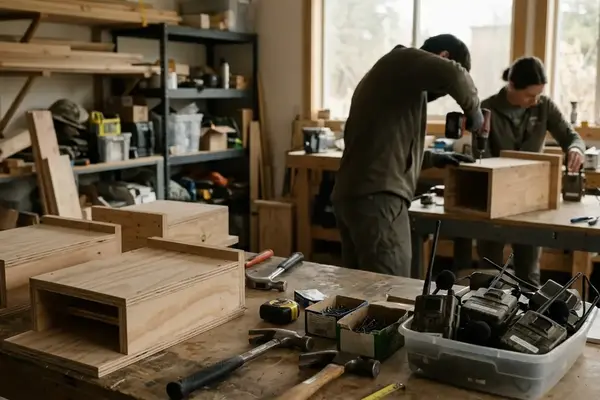
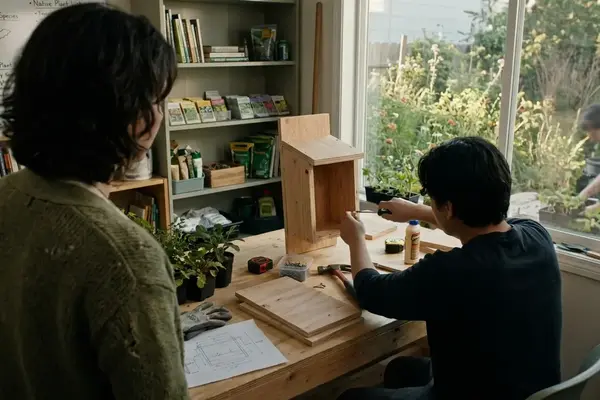
- Demonstrate bat-house stewardship. Show how to think through placement and how to watch a bat house without approaching or disturbing its occupants. The hoped-for change is confidence in a specific action.
Those are hypotheses, not findings. A participant might understand roosting behavior better yet still feel uneasy. A demonstration might prompt useful questions about a bat house while leaving a separate disease concern unanswered. Recording both reactions helps an educator see what each message actually addresses.
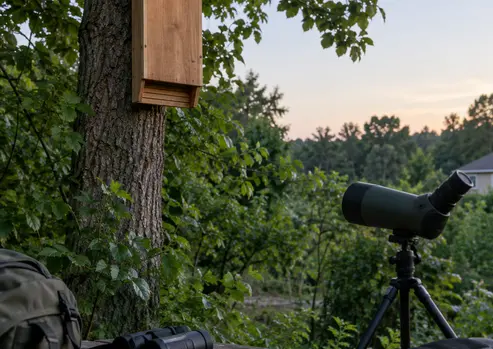
A bat-house demonstration works best when the educator narrates the decisions a homeowner will face: where people might watch from, what signs they can observe, and when a question about a nearby roost calls for qualified local advice. The object gives the conversation a place to land. The safety guidance must remain just as clear in the factual and reassurance versions.
Hold the safety advice steady
Use the same plain directions in every approach about avoiding contact, leaving an occupied roost undisturbed, and seeking appropriate advice when exposure or a concerning roost is suspected. Then any difference in answers is more plausibly tied to how the message was framed, rather than to one group receiving better safety information.
Ask the bat questions twice
A short, voluntary questionnaire can capture a participant’s starting point and immediate response to a session. Ask the same questions before and after, in the same words. Changing “How afraid are you?” to “Do bats worry you now?” changes the question as well as the timing.
I would include a self-reported fear question, a question about how well the participant thinks they understand nearby roosts, and a choice about what they would do next. The action question can describe bats using a sheltered spot near a home: Would the participant disturb the roost, watch without interference while seeking appropriate advice, or choose another response? A separate situation involving suspected contact should make the need for relevant public-health guidance explicit.

Where feasible, let participants put an anonymous code on both questionnaires. That allows an educator to compare each person’s answers with their own starting answers. Without pairing, a difference between the before and after forms could reflect different people completing them.
Keep the questions brief and give people room to decline. The purpose is to learn whether the message supports a safer choice, not to diagnose fear or press participants to disclose a personal encounter with a bat.
Read the action beside the fear answer
Start with each paired set of answers. Did the person report less fear? Did their stated understanding improve? Most importantly, did their response to the roost scenario move toward leaving it undisturbed and seeking appropriate advice?
Read those answers together. Someone may feel calmer yet still intend to seal an opening immediately. Another person may remain uneasy and choose to keep their distance while asking a qualified local source what to do. The second response gives an educator something valuable to build on, even though the fear answer has barely moved.
Immediate questionnaires leave an important question open: what will people do later, at home? Participants choose whether to attend, may arrive with very different fears, and may give an answer they think the educator wants to hear. With no longer-term behavioral tracking in this approach, a stated intention cannot establish that a roost was protected. Record uncertain or mixed answers as such rather than turning them into an impact claim.
Keep the message that guides the safer choice
When it is time to revise an outreach session, keep explanations that improve accurate understanding and help participants choose safer responses. If a message leaves people reassured but unsure what to do near an occupied roost, add a concrete next step. If people select the safer response but still express a specific fear, address that concern directly while preserving the guidance that worked.
For a homeowner, stewardship can be quiet. Watch a bat house from a distance without disturbing its occupants. If bats appear near an entryway or a roost raises a safety concern, ask a qualified local wildlife or public-health source for guidance before taking action.
Will your next bat message leave people merely less afraid, or better prepared to act safely?


Join the Conversation
No comments yet.
Join the Discussion